

Last year, something extraordinary happened: an established independent publisher responded positively to an unsolicited pitch for my first novel, A Circle Outside. Me—who had never written a novel, never found an agent, never applied to an MFA program—I sold a book about Santa Cruz lesbians to a British publisher.
The Eye Books imprint is for nonfiction and Lightening for fiction. A few months ago they started Wilton Square, which is rescuing orphaned titles from the mess that "hybrid” publisher Unbound left behind.
As I wrote in the acknowledgements:
Some people may wonder why two men (publisher Dan Hiscocks and editor Simon Edge) published a novel about lesbian separatists. If you look at the Eye/Lightening catalog you’ll see that it is full of humorous books about interesting communities with serious themes. I’m grateful and proud to be among them.
Before I sent my pitch, I read four novels published by Lightening: Dead Writers in Rehab by Paul Bassett Davies, Sour Grapes by Dan Rhodes, The End of the World is Flat and In The Beginning by Simon Edge. I also read Tough Crowd by Graham Linehan. These are funny books with serious themes, like mine. Simon’s books are satires of current LGBT politics, and I thought that my book, which restates long-standing truths about lesbians and sex, might not be rejected out of hand for being out of step. I was right.
Since then, I’ve read many books from the Eye/Lightening catalog. I can trust this press to publish books I never would have read, but will remember forever.
(The links to the books go to Eye’s bookstore, but you can find them everywhere in the UK. Not all of them are available in the US yet.)
Fiction
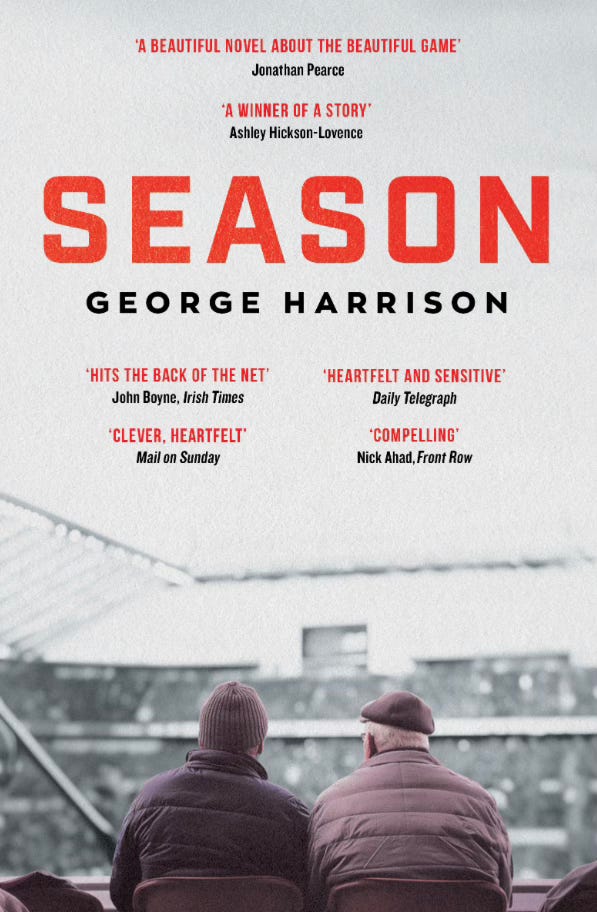
For example, Season. I ignore everything about sportsball except when feeling annoyed that I can’t. But Season was edited by Simon Edge shortly after he finished editing mine, and he loved it so much I was curious. The cover shows the setting: two men with season tickets watching football (soccer). I approached the football jargon and action in the book as if it were science fiction/fantasy, with a conlang and magic system I don’t have to understand. I felt pity for the unnamed Young Man and Old Man because they have no connection to the women in their lives, women they say they love, and want to be loved by. These men find a weekly respite in football, their secular religion. Fuck me. Bleak. But like all good literature, it helps me understand other people and feel connection to them.
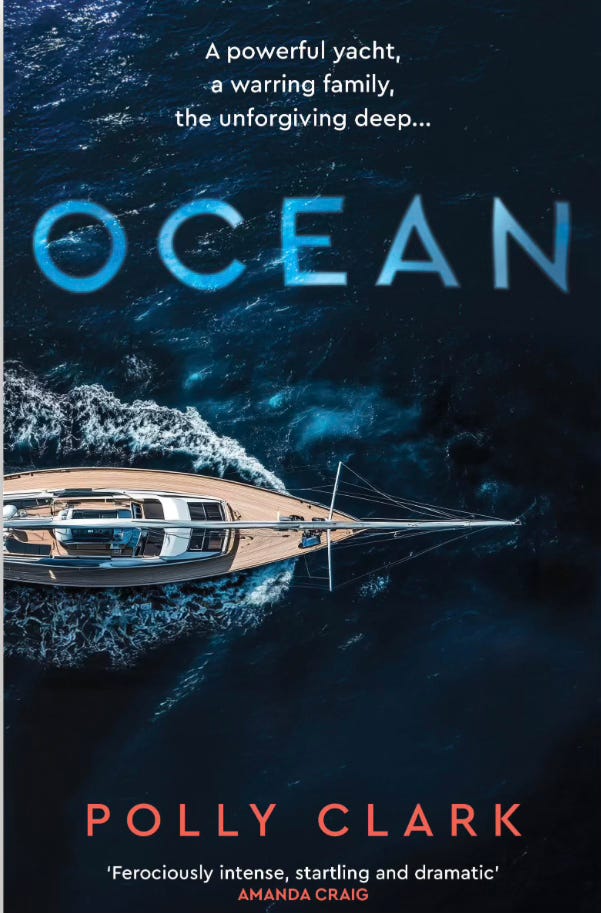
Ocean came out shortly before my book, so I bought it to support her. Again, I wouldn’t have normally read it as it looks like yet another straight woman’s book about motherhood and working as a teacher and a very handsome husband and then wow, what a turn, and what a ride. The protagonist makes some terrible mistakes for understandable reasons, and again I got to experience an odd little community, trying to do good things, and having a hell of a time at it.
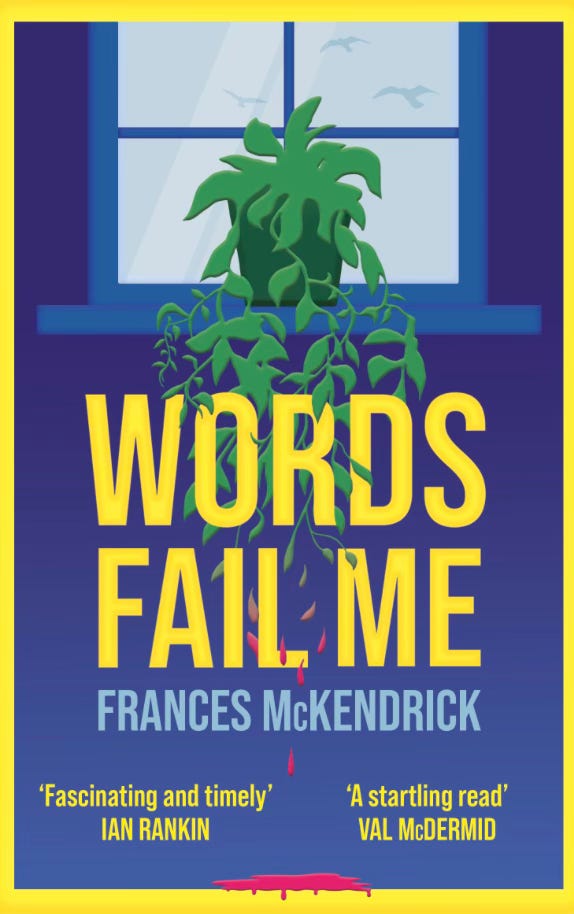
Words Fail Me by Frances McKendrick
Words Fail Me is another book I would never have read: ho hum, a first novel by a school guidance counselor. But it asks what could you—what would you do—if you could really do the right thing? Words, like in a therapy session, wouldn’t be enough, would they?
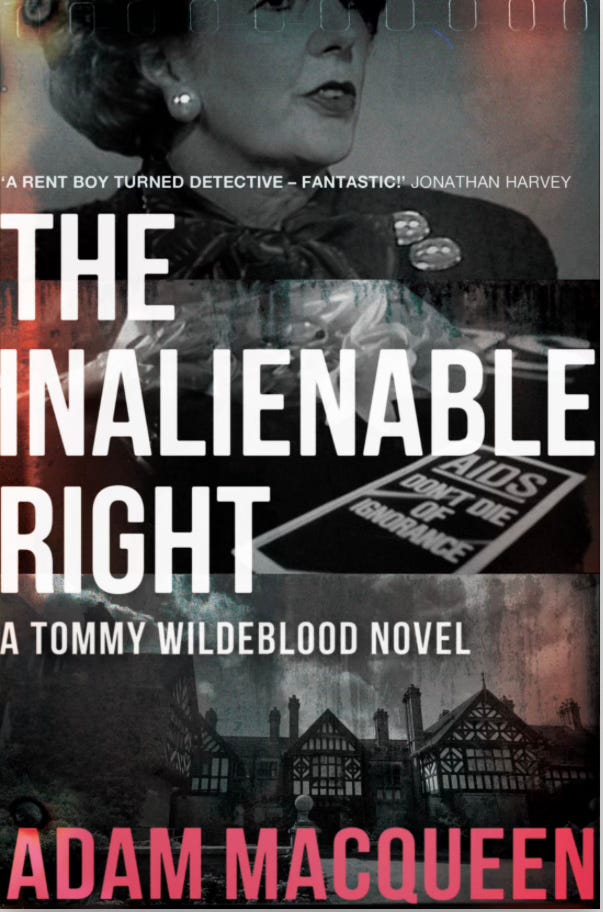
The Inalienable Right by Adam MacQueen
This is the third of three detective novels, another genre I don’t read. I decided to to read The Inalienable Right because I’ve been reading books about AIDS in the 80s and 90s for my own writing. At one level, the historical fiction aspect of life in London during the AIDS epidemic is moving, the same and different from what I experienced in California. Mostly though, I love how MacQueen writes the love story. That’s why I will read the rest of the series, and anything else he writes.
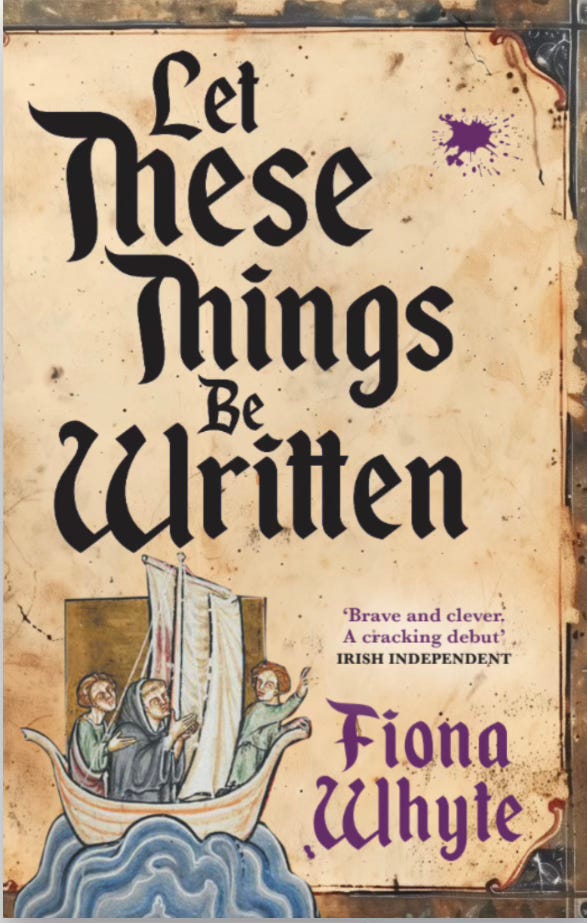
Let These Things Be Written by Fiona Whyte
I happened to be at the book launch for Let These Things Be Written in Cork a year ago. Whyte arranged to have a choir sing for us, which was apt as this book takes place in a 6th-century monastery. Again, another book from Lightening about an interesting community and their magical beliefs. I wouldn’t say this one is humorous, but I’m always interested in stories about this period of history in the Celtic archipelago. It has so many similarities to our own. I hope she writes more.
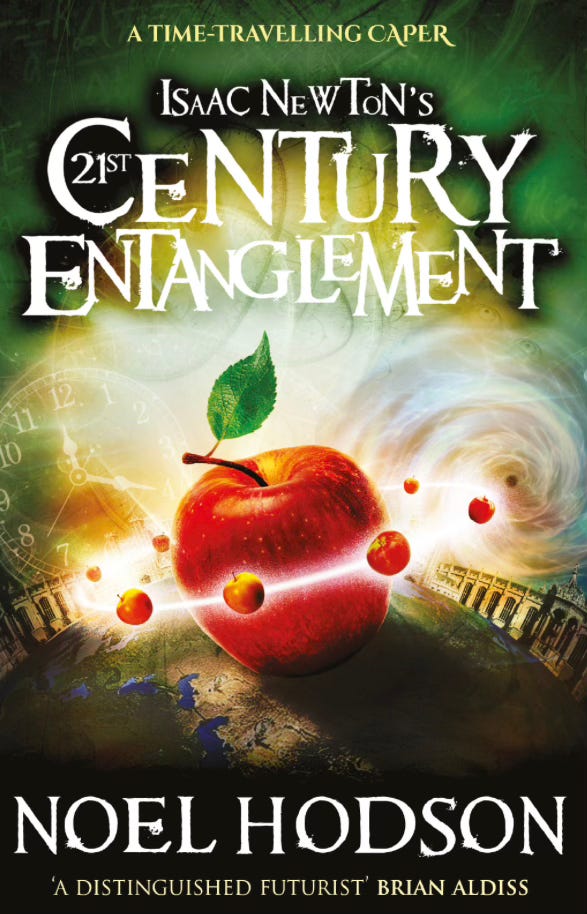
Isaac Newton’s Twentieth Century Entanglement by Noel Hodson
I loved the premise of this book, where a physics experiment at Cambridge goes awry. Isaac Newton and his sidekick must escape meddling authoritarians of both the 21st and 17th centuries. A fun ride, until I saw how few pages were left and wondered how they were going to get out of this one? Would it be Newton’s genius or the cleverness of little boys? Unfortunately, neither. So I was left unsatisfied, but it was fun getting to the Deus ex machina.
Nonfiction
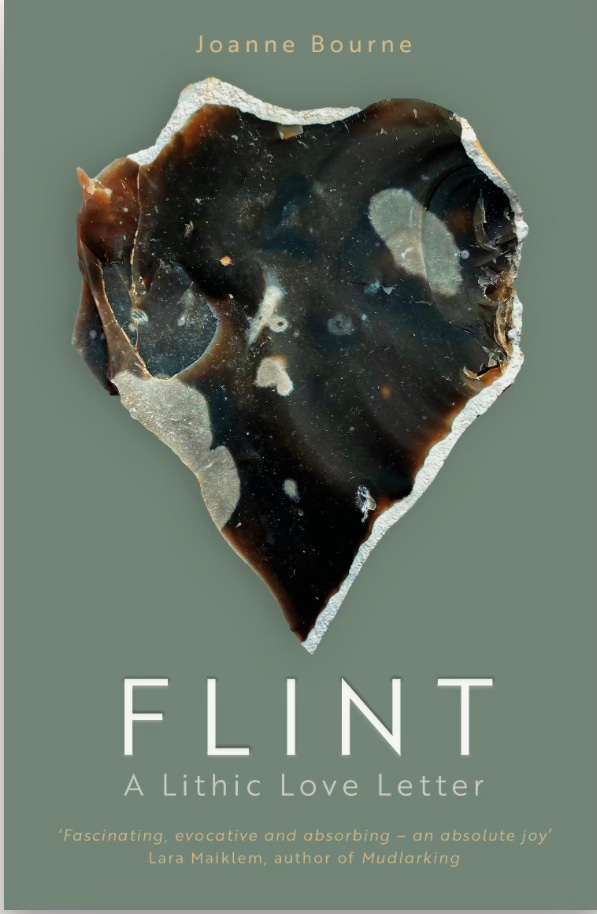
We have a mineral like flint in California, but the geologists call it chert. Most of the neolithic knives and arrowheads I’ve seen are made from obsidian. I didn’t know that you could build tall churches out of these shiny black stones. I knew they weren’t volcanic like obsidian, but I didn’t know that flint is sedimentary, growing like an opal inside a matrix of chalk. Time and pressure makes flint, in a womb of sea shells. Flint is a holographic book, where one small thing contains the whole picture, where the author focuses on one tiny part of this world, like salt, potatoes, or chickens, and tells the story of a whole world, through all time, through many lives.
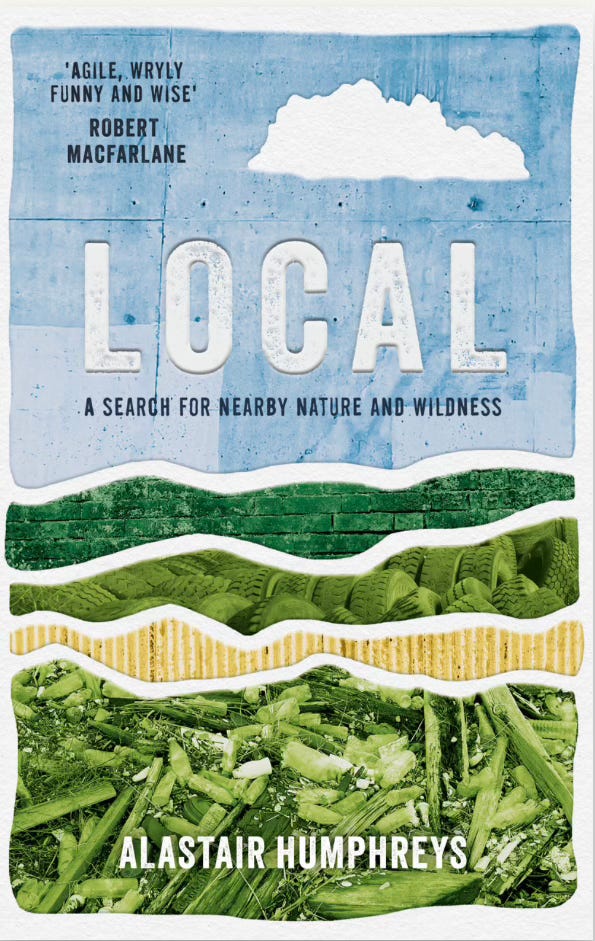
Lots of people wrote books during the Covid lockdowns, including me. I wrote about a place a thousand miles away from where I was, but Humphreys wrote a holographic book focusing on a tiny spot on our planet. He used an Ordnance Map of his neighborhood to define his patch. I’m familiar with Ordnance maps because the British first drew them in Ireland in the early 19th century. Like Humphreys, I’ve pored over them, planned explorations, and mourned the loss of ancient treasures. This is a book entirely about discovery. A man who had traveled the world entered his own neighborhood not knowing much about it or how it connected to everything else, and learn it is, all of it, connected.
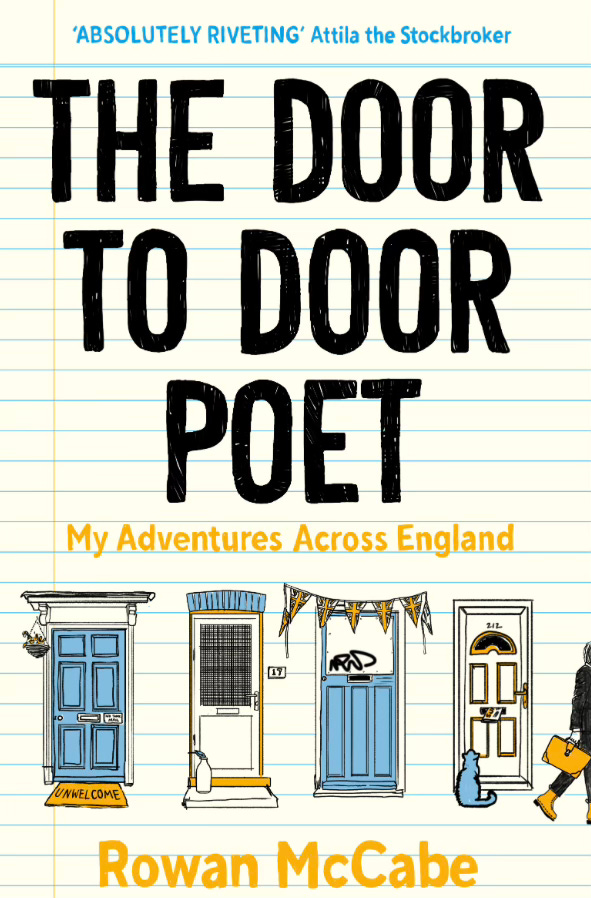
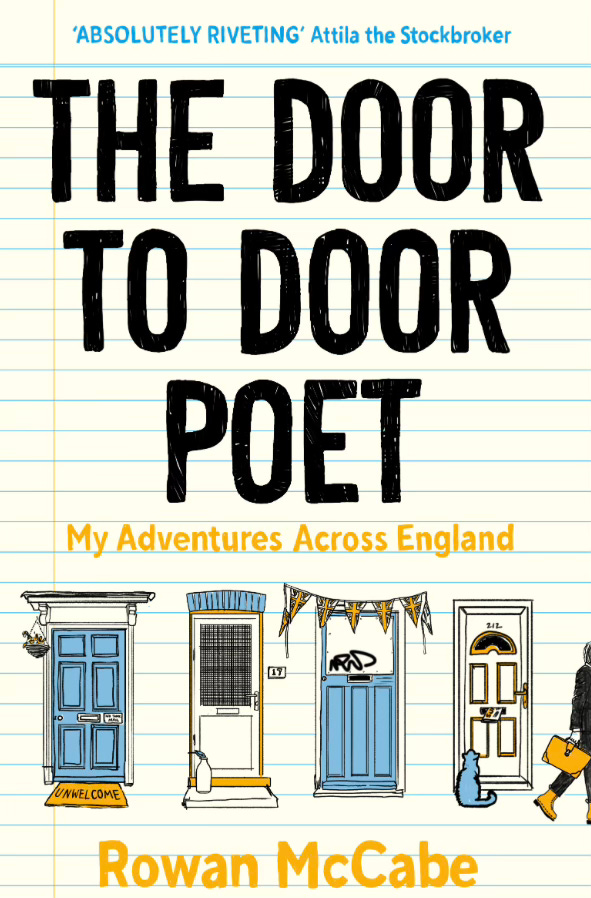
Finally, Eye just published Door to Door poet by Rowan McCabe which I haven’t read yet. McCabe wanted to be a working poet, so he knocked on doors and offered to write poems. Then he travel around his island, writing poems for people. Again, an improbable book to find a publisher. I want to know what happened because I really wish I had thought of this idea myself.
I'll add more books I read from my publisher as comments.
I'm Fine, by Richard Hall
I didn’t want to read Richard Hall's memoir about how he was sexually abused when he was a teen and eventually put his abuser in prison. My first thought was “get in line” behind every other woman I know who was sexually traumatized by men. Men they knew, men who were older, men who told them they loved her. I didn’t have patience for yet another gay man thinking the story of his life was worth £15, and every other woman’s story was just a sad story, not worth a dime.
But in a moment of social-media fueled loyalty, I had preordered it before I knew much about it, and there it was sitting on the TBR pile. I opened it to the middle and there he was, getting raped. Nope.
Nope. Nope.
But it stayed in the pile, and after about a month I opened it to the beginning. Why? Because it Eye/Lighting published it. They are my publisher, and the books they bring into the world deserve it. I wanted to give it a chance, and I read it all the way through, skipping the awful pages.
I know you might assume the main audience for I’m Fine is gay men, but I wish straight men would read it. Many men don’t understand what women’s lives are like until they have daughters—fact that should anger anyone.
So maybe if straight men read a story about how the men who love men treat each other with both love and abuse, maybe then they could understand the lives of the women they love, and who love them back, despite the everyday common abuse that we have survived.
Other reviewers have said it is worth reading, and I got more out of it besides this aspect of sexual politics. Hall's tone captures the naiveté of a young man and the honesty of an older man looking back. I expect he creates the inner world of a male teen very skillfully, although it is such a different world than I experienced as a young woman. I would recommend it for that alone.