
Wee Pippin
Reflections on an Irish life with a dog
Let me tell you how we brought our dog to Ireland. It was early summer, 2017. Back then airlines allowed Emotional Support Animals in the cabin. Aer Lingus required a pile of paperwork and the pet to remain in a carrier under a seat.
A month before we left, Artemis took Pippin with his new carrier/backpack to the San Jose airport and practiced negotiating airports. He looked proud to be marching around in his official “Emotional Support Animal” vest. He wasn’t aggressive or scared; only the elevator astounded him.
I prepared his paperwork, creating a stack thicker than that for our Irish visas. He got his EU compliant chip, vaccination certs, and a letter from Artemis’s GP certifying his support role in her health. We left Santa Cruz with a week-long stop in Boston. The day before we left for Ireland, he had to take a de-worming medication and get one last piece of paper signed that cleared him for entry. He puked up the pill in the vet’s parking lot. No one else needed to know about that.
I remember a bit of a struggle at the ticket counter at BOS, but pulled something out from the paperwork pile and prevailed after the manager arrived. Once boarded, Artemis dutifully set Pippin in his carrier under the seat. Our plan was for me to sleep on this five-hour evening flight so that in the morning I’d be ready to pick up the car we had bought and drive six hours to our rental house in Co. Kerry.
As soon as we lifted off the flight attendant said, “Sure, it’s too hot down there,” and instructed Artemis to keep Pippin on her lap. I took a pill and slept off-and-on, with a vague awareness that Artemis was eating sandwiches, drinking cans of beer, and chatting with the flight attendants all night. She told me that they patted Pippin every time they passed by.
One last hurdle at Customs, where we paid a €50 cash fee to the Dept of Fish and Wildlife. We walked him over to the car park and its patch of grass; Pippin had his first pee in Ireland. Since then the rules have changed; we never would have been able to fly him home.
Pippin became our constant companion on our many adventures.
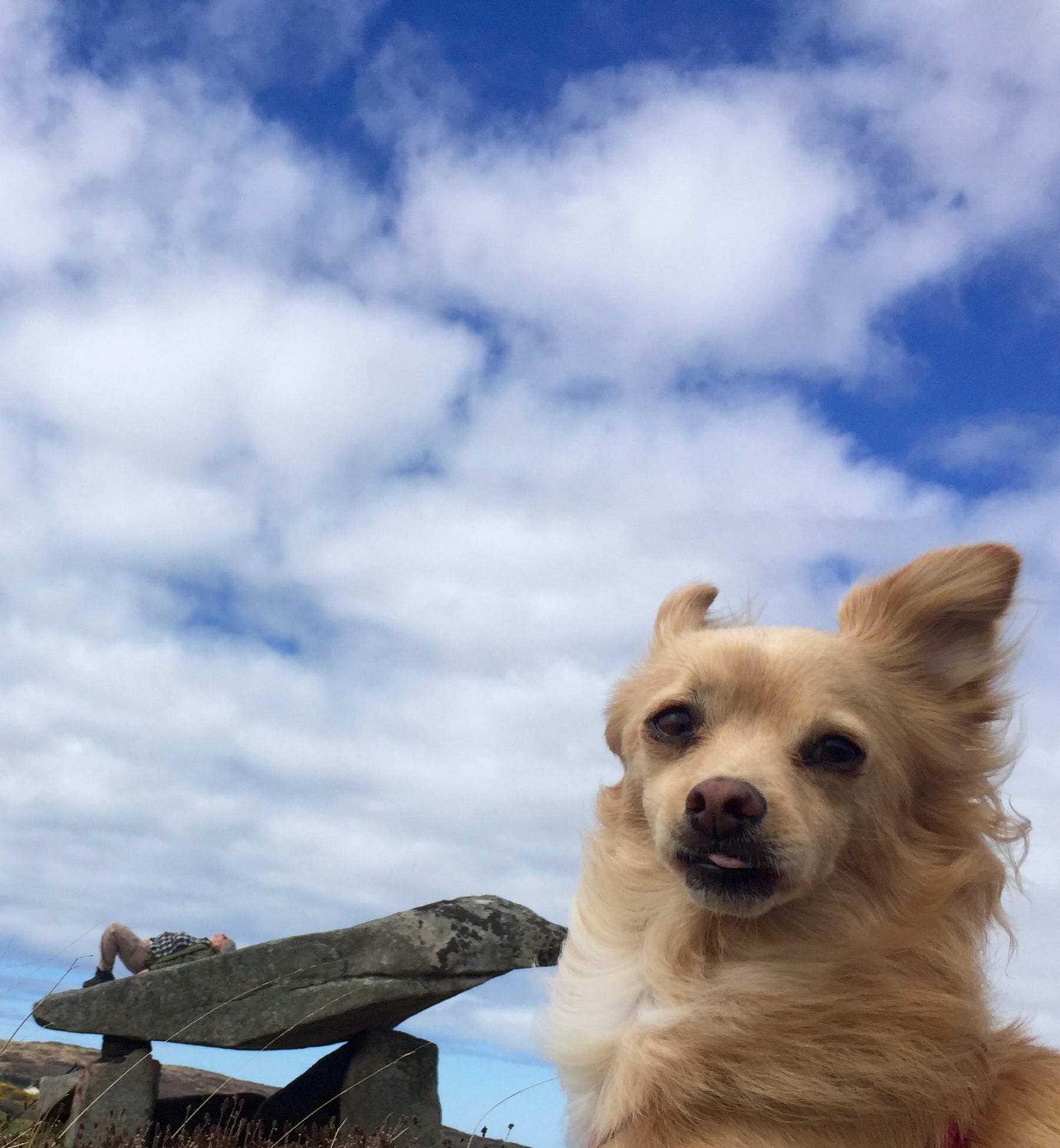
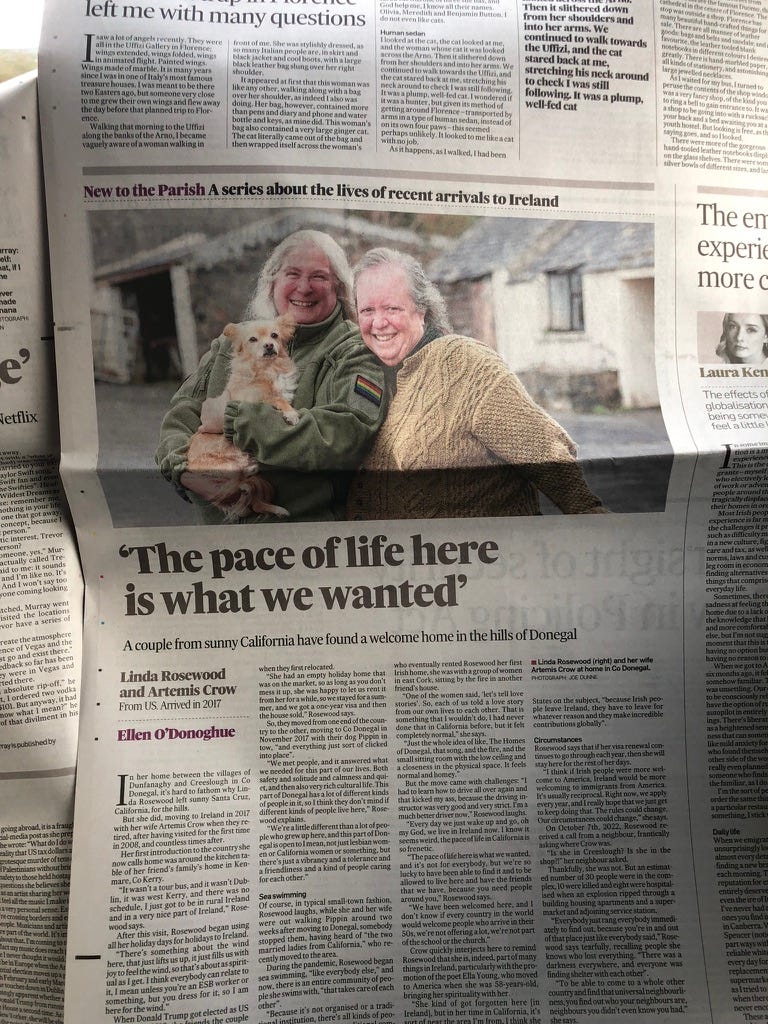
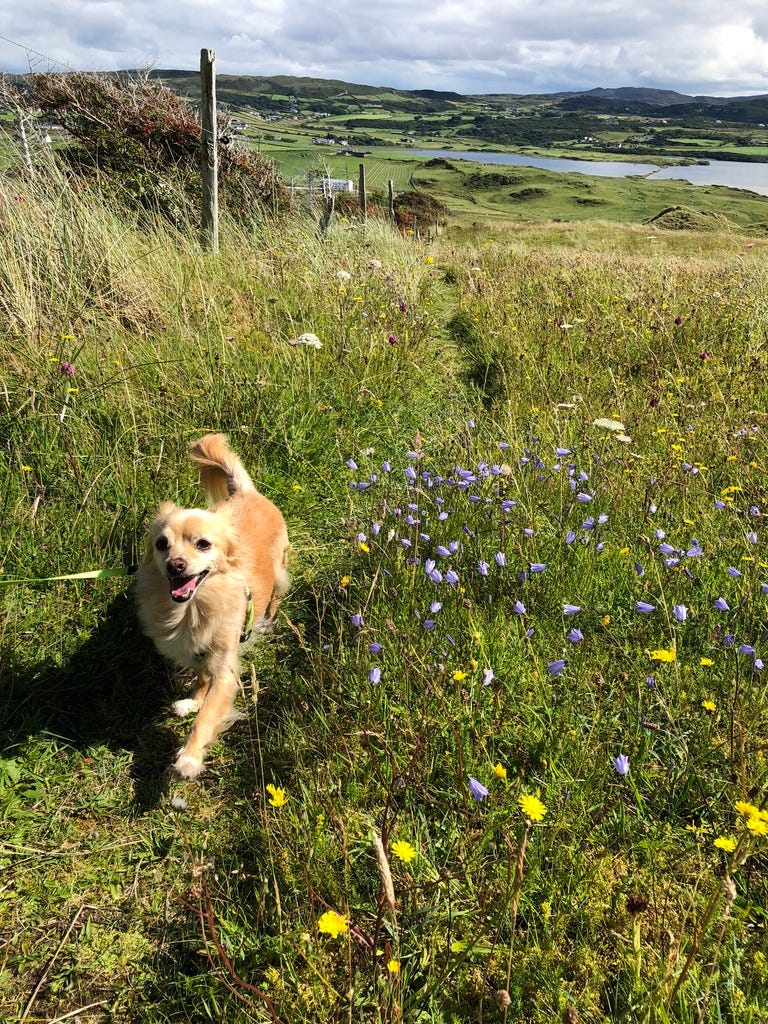
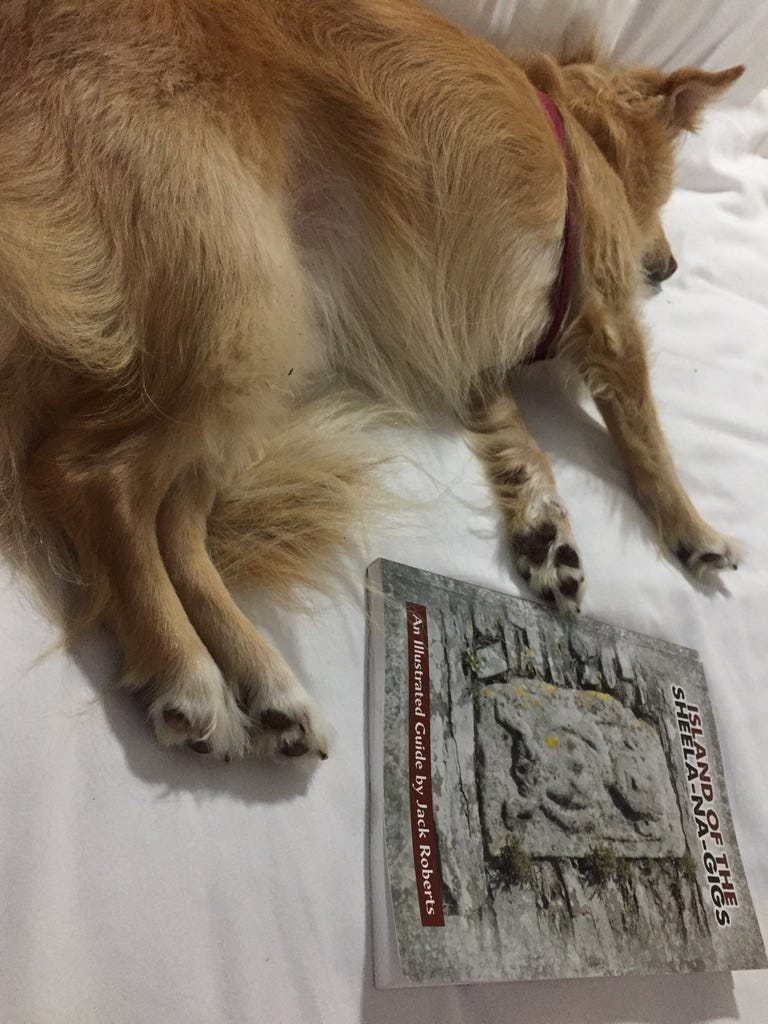
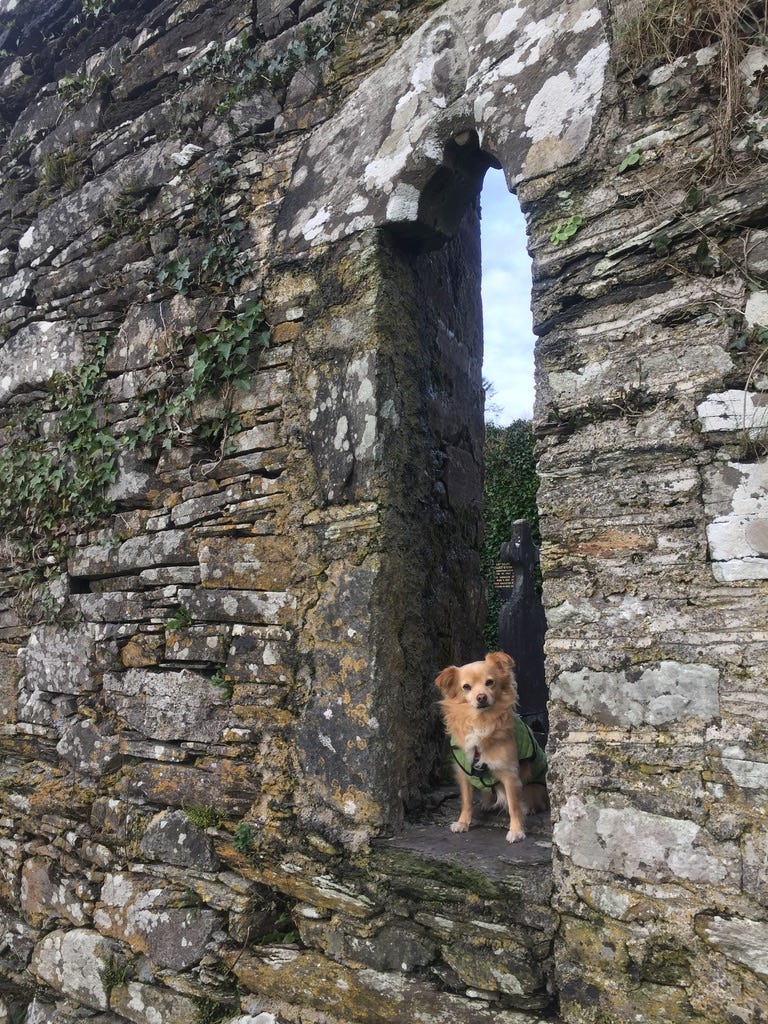
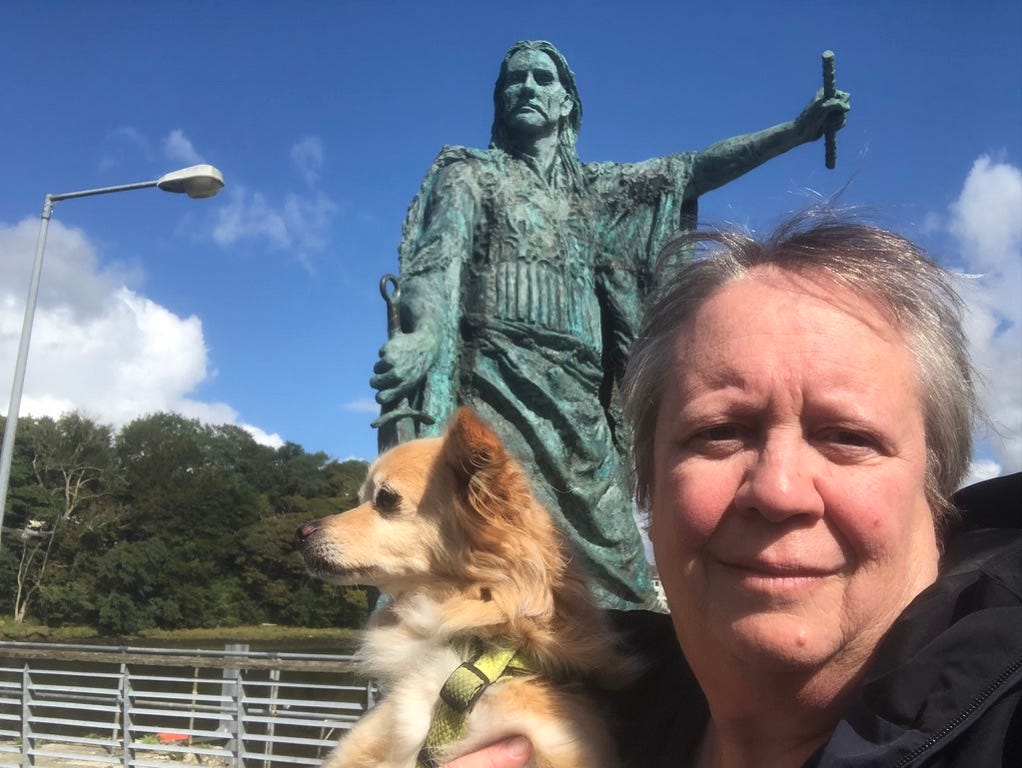
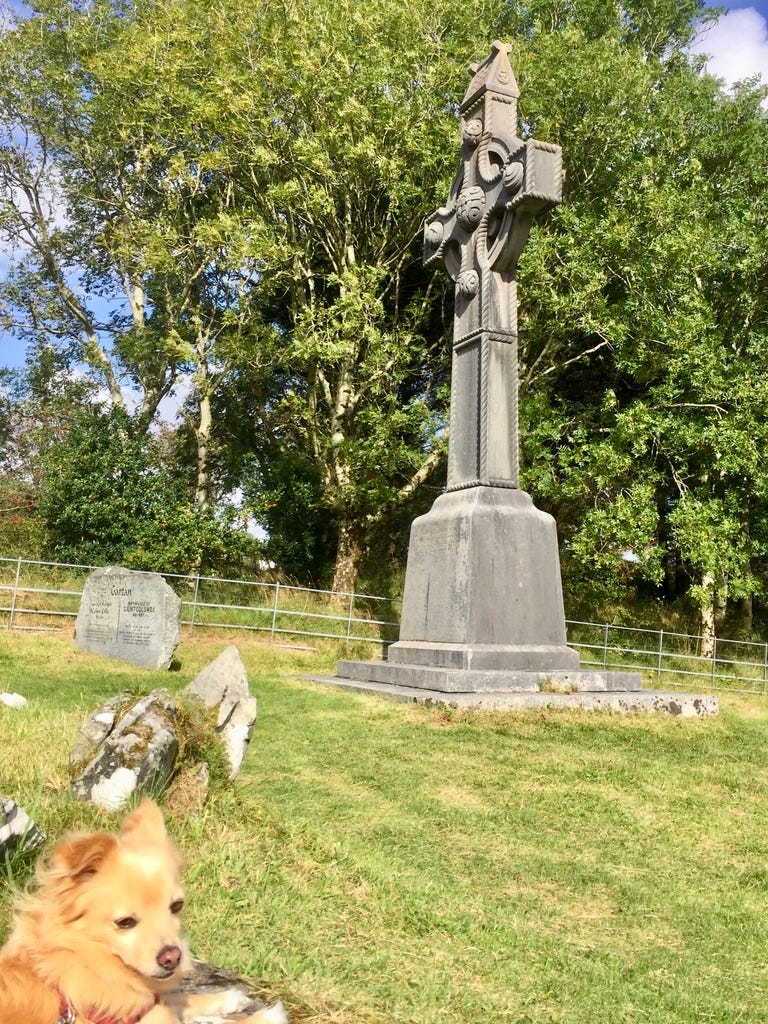
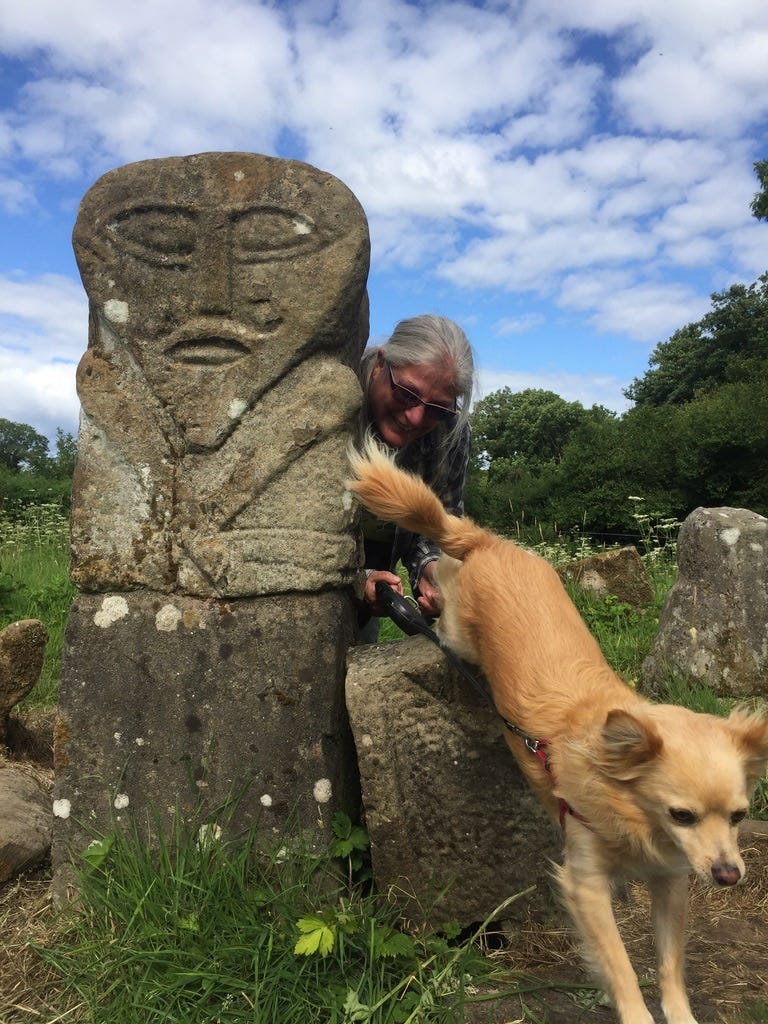
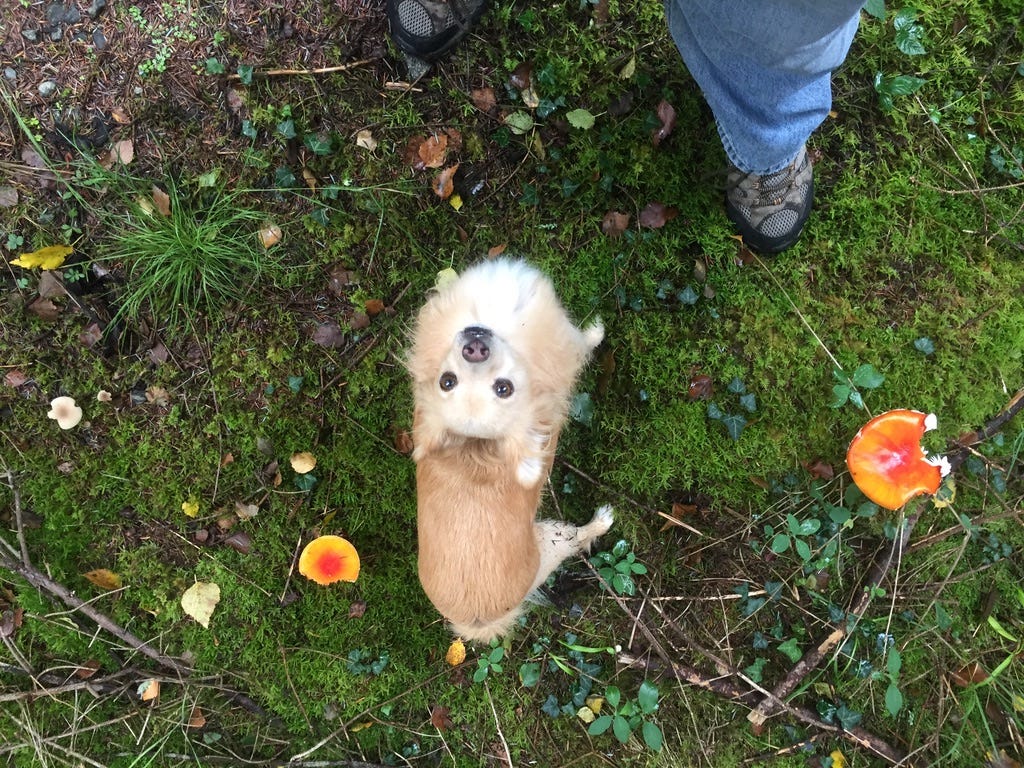
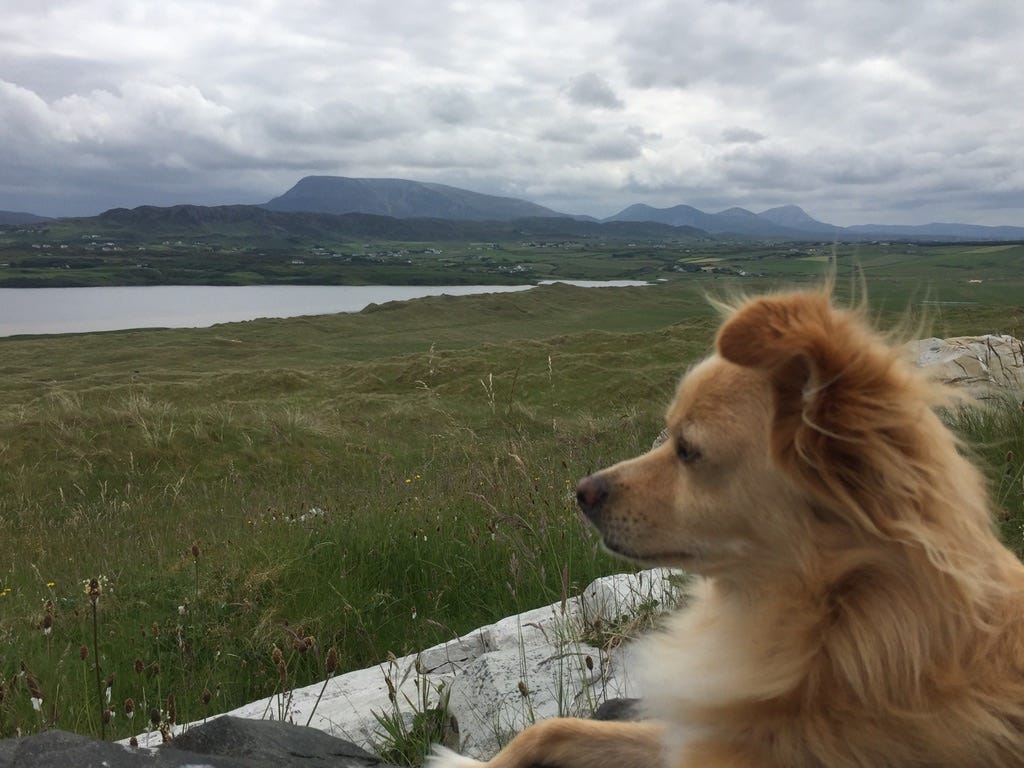
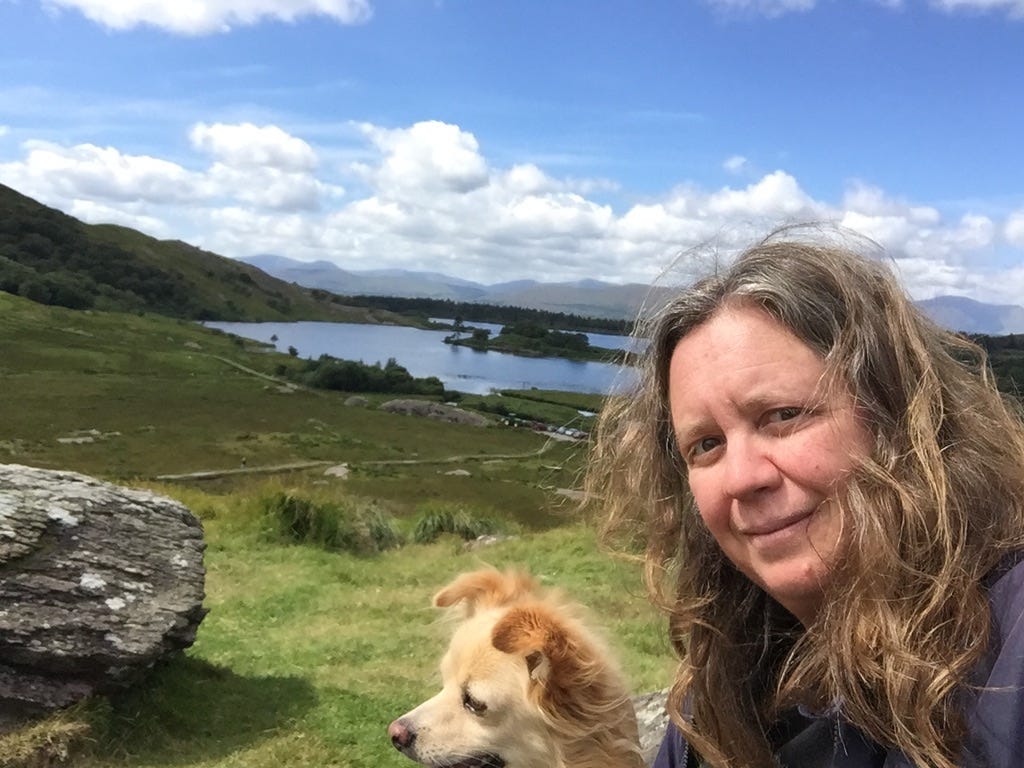
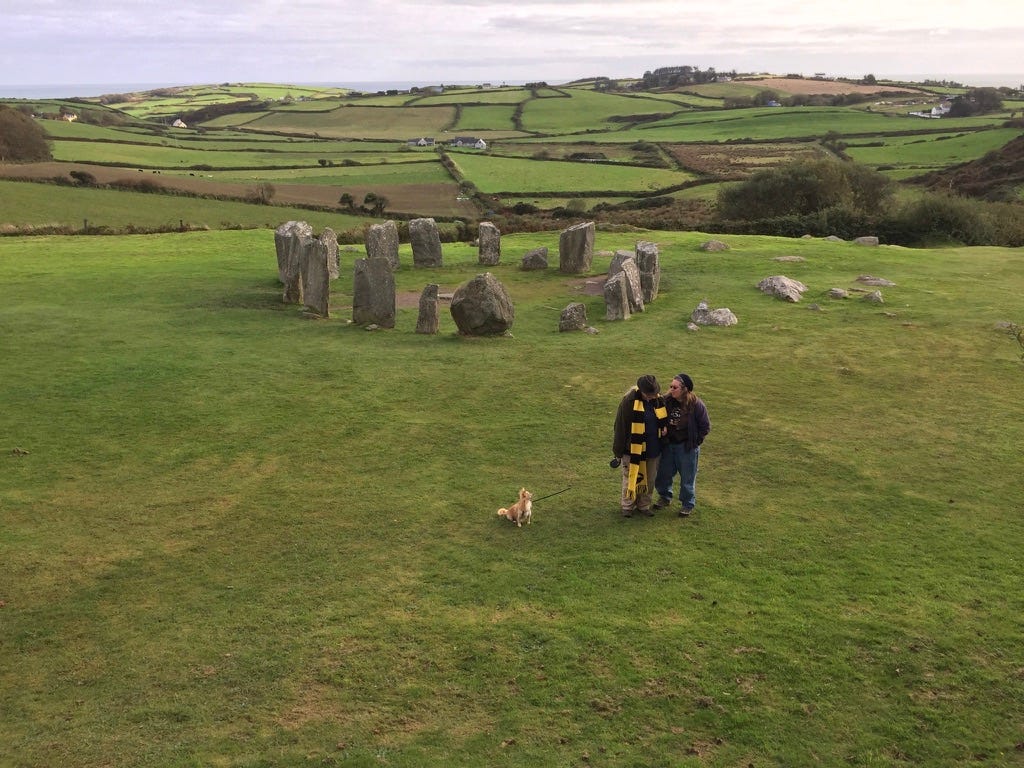
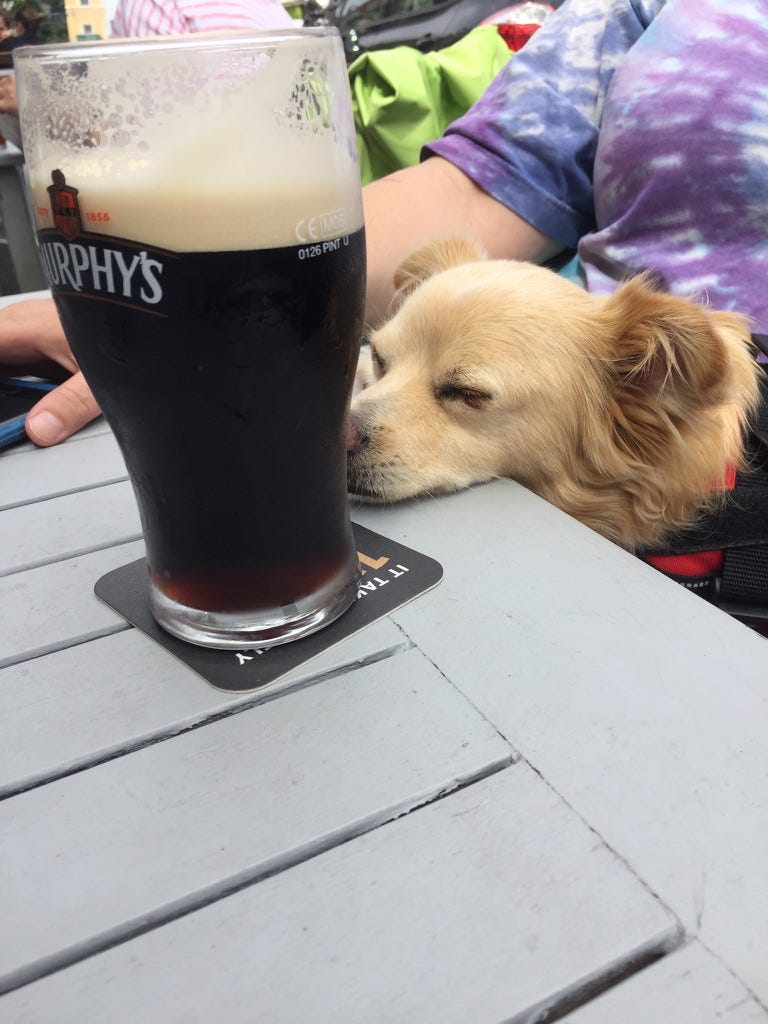
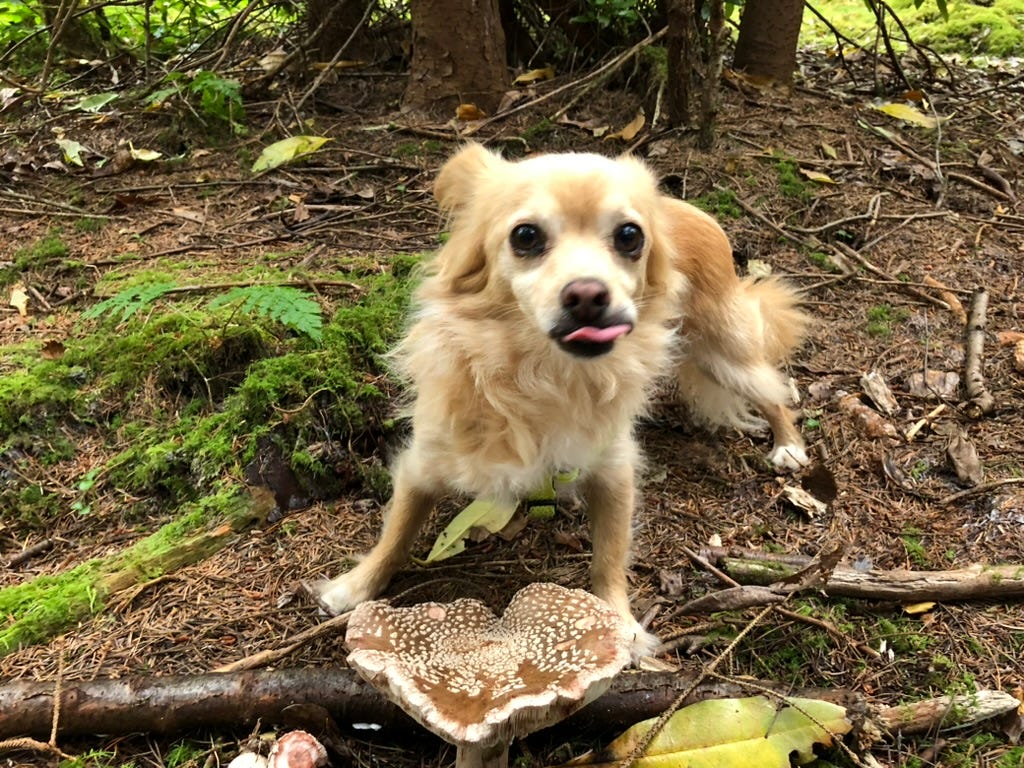
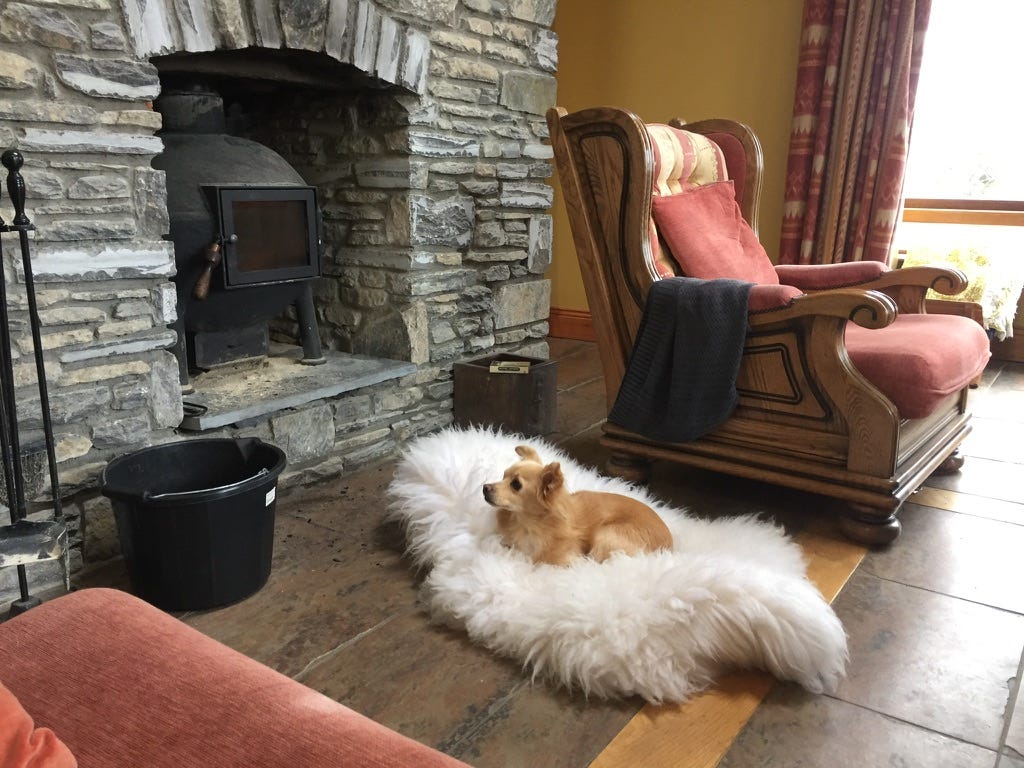
His breed is chihuahua mix, or as Artemis sometimes said, “Aztec Battle Hound.” He preferred the beach to the forest, would have slept on the hearth if we let him, and found any patch of sunshine through a window. At one point, I saw him use his paw to try to pull the sunshine down the wall.
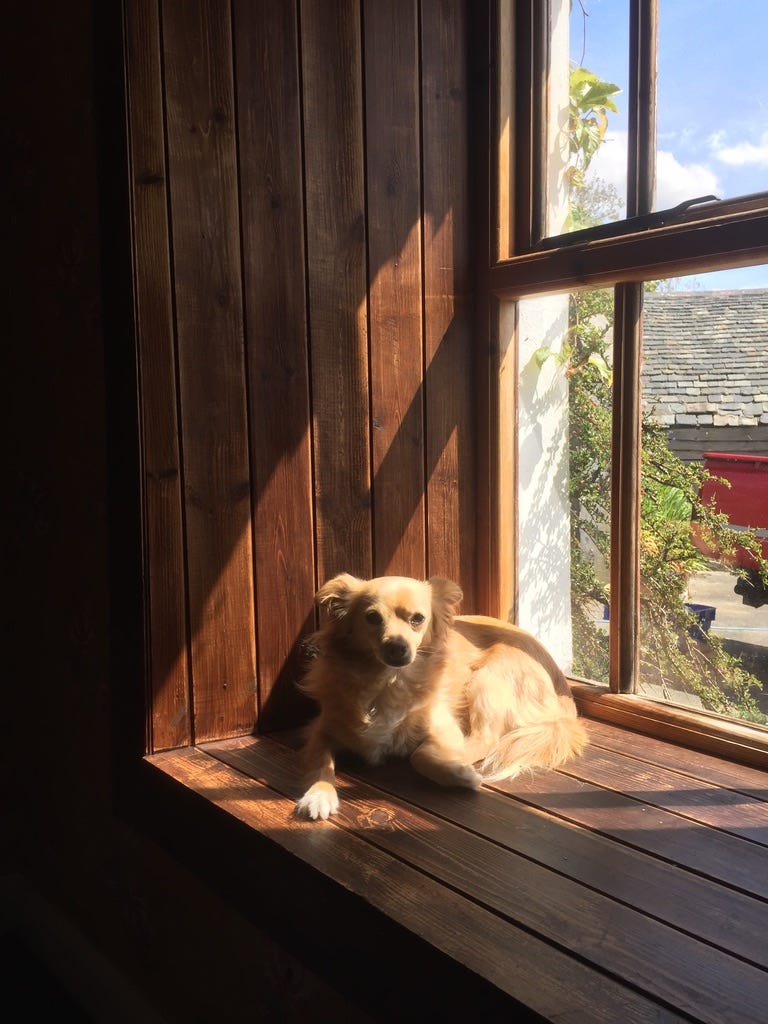
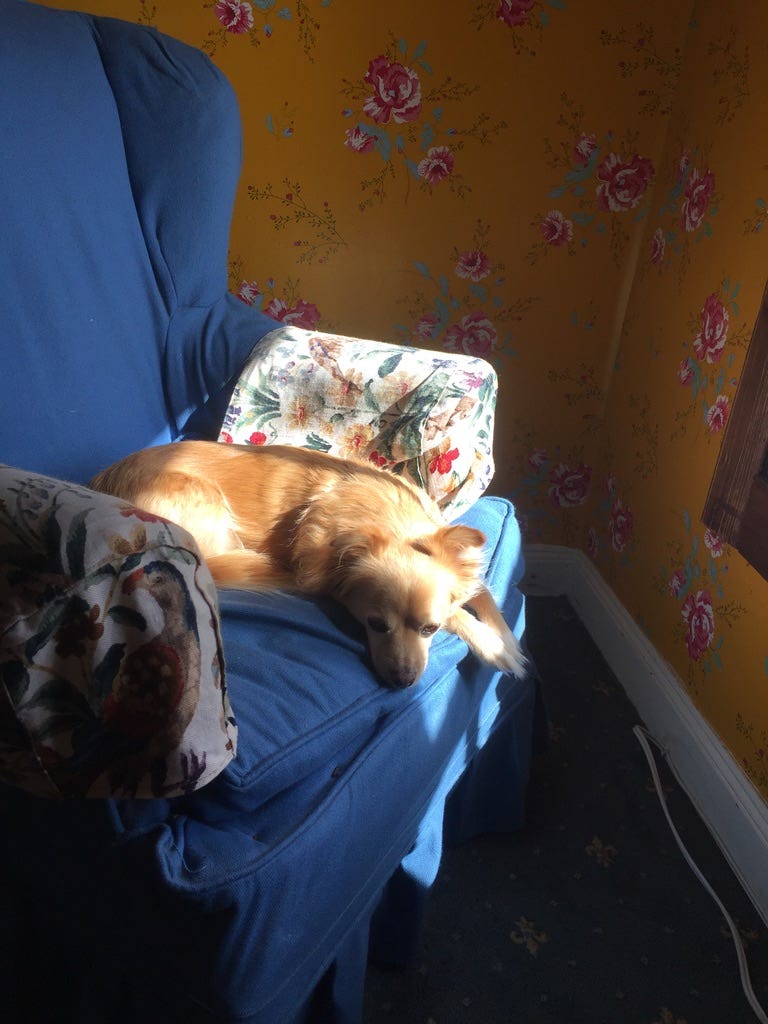
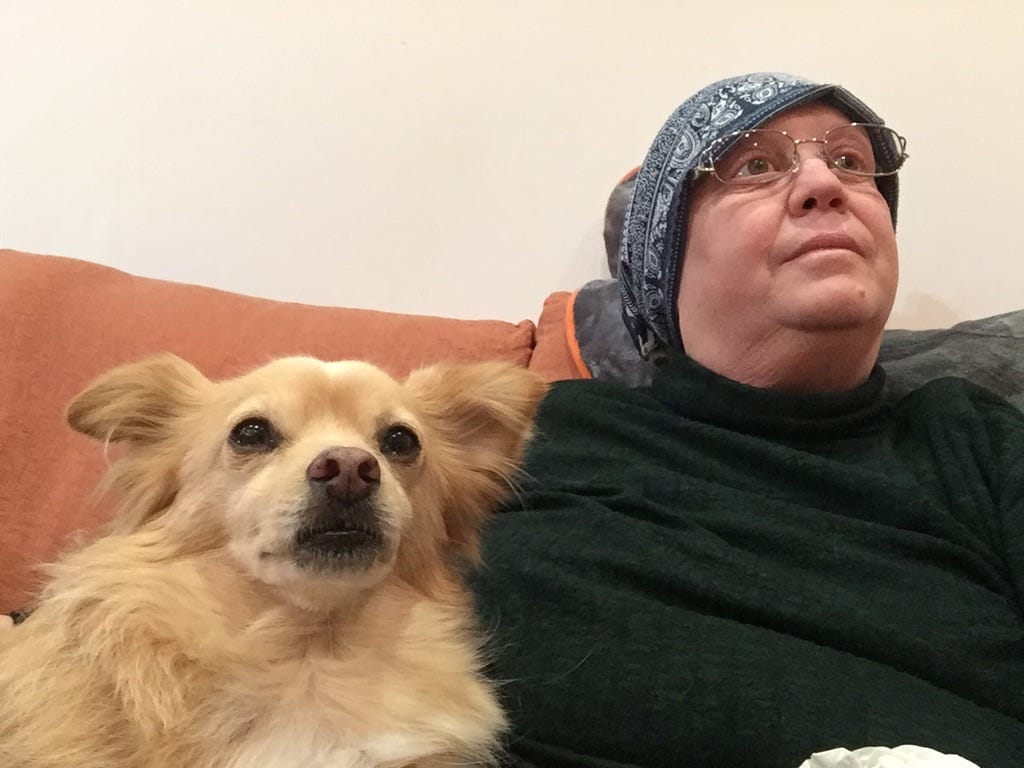
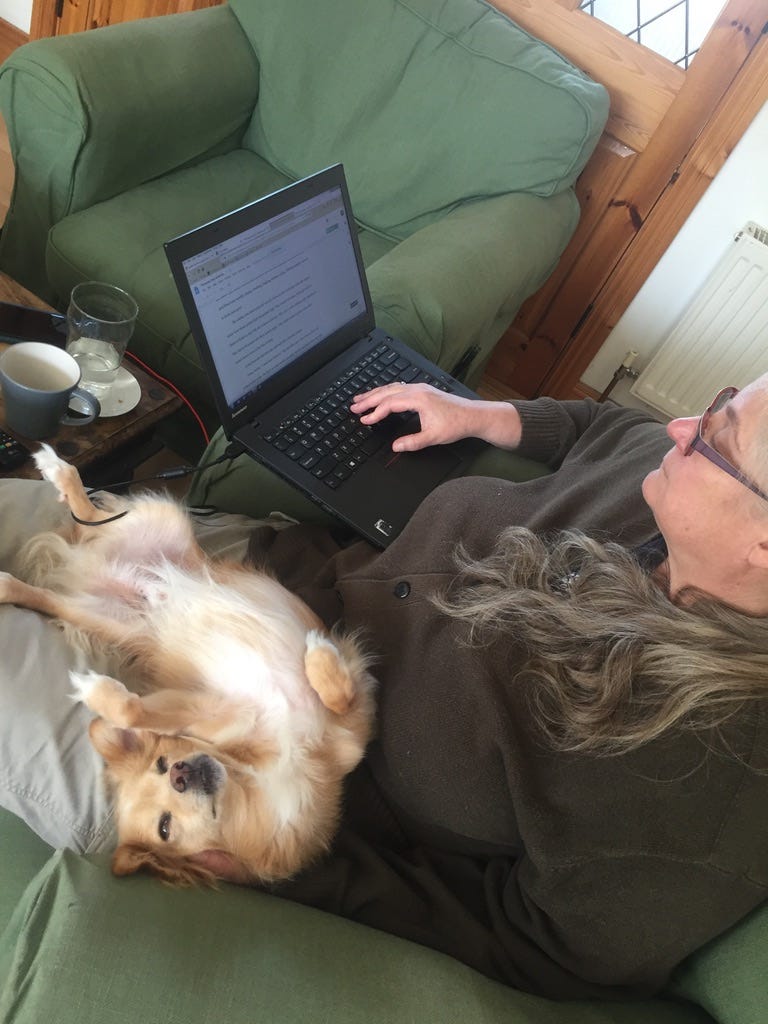
We found a vet as soon as we moved to Donegal, because on the trip Pippin came down with bug and wouldn’t eat. In a dog that small, a few missed meals can make them so sick they won’t eat meds, even when wrapped in two kinds of cheese, a bit of salmon, and rolled in cat food. Like most chihuahuas he was very particular about his meals and over the years, we tried all the finest varieties of dog food. Of course Artemis tried cooking his food herself, but he soon turned up his nose at that too.
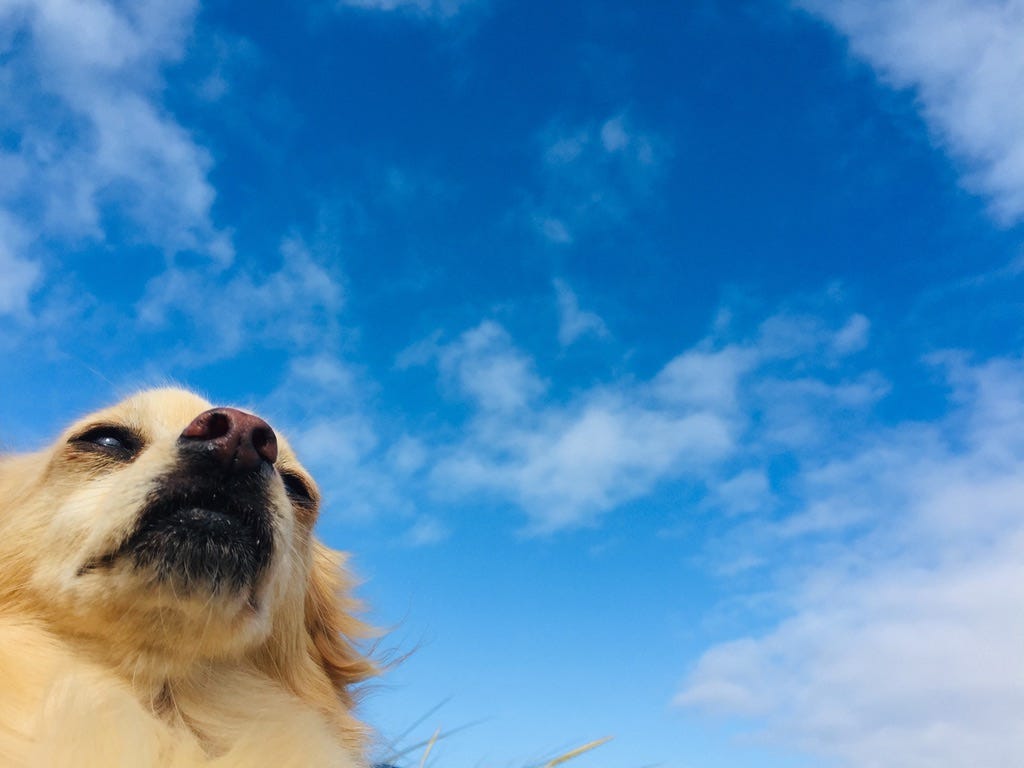
We think he had some bad experiences in early life that left him with a strong sense of personal space. Perhaps a toddler had tried to put him in clothes. Clipping his nails required sedation at the vet. A few times he got poop on his blonde pantaloons, and had to suffer the indignity of a bath because he wouldn’t let a human hand anywhere near his hindquarters.
He didn’t like puppies or black dogs of any kind. He hated cats but soon stopped chasing the chickens.
He had is own bed in every room, and a few years back we got him his own heating pad.
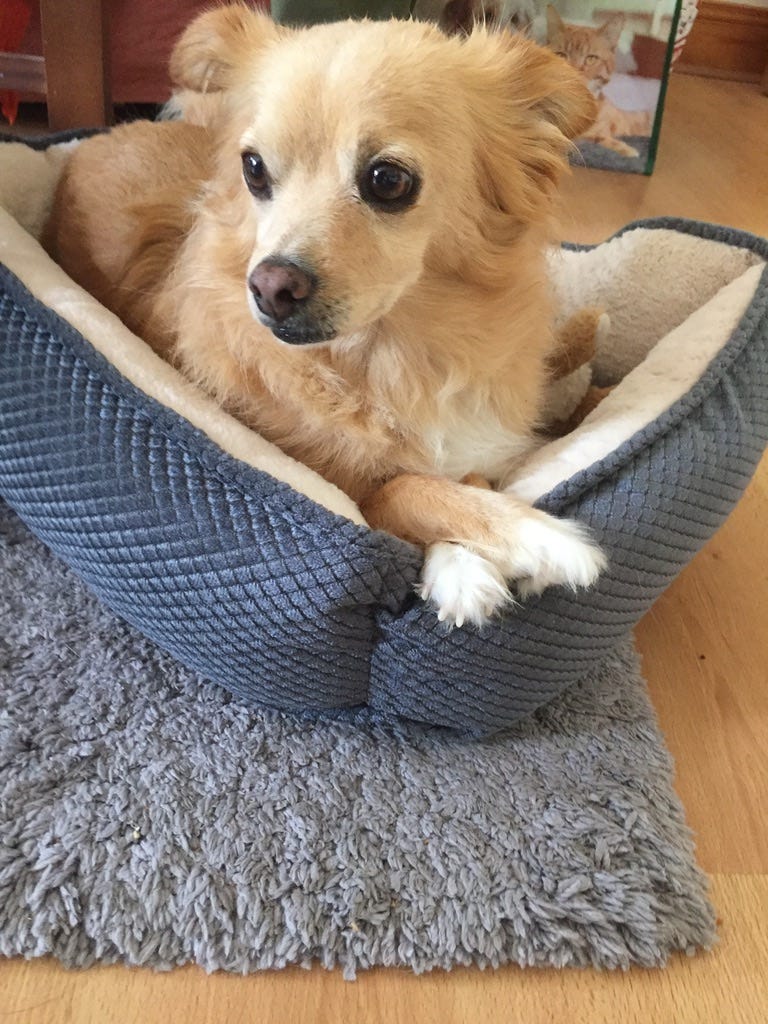
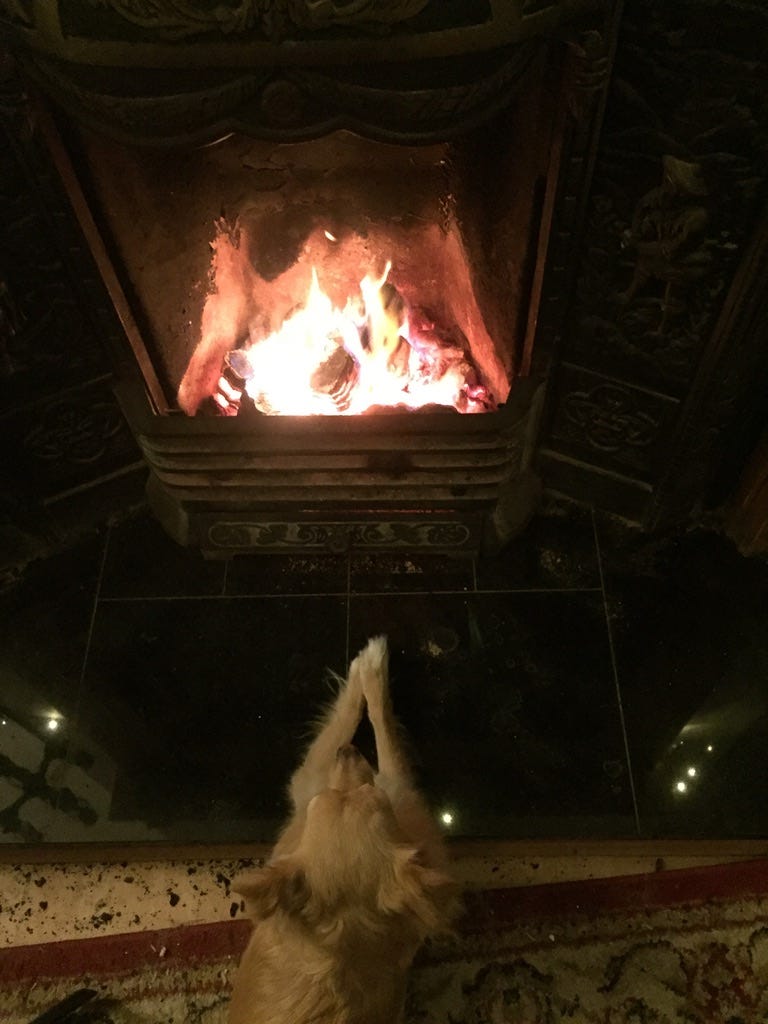
In typical chihuahua behavior he followed Artemis from room to room, including the bathroom; “my little supervisor,” she would say. He knew when it was 2 pm and time for our walk, exposing “one fang of disapproval” if I dawdled. Two fangs if I ignored him.
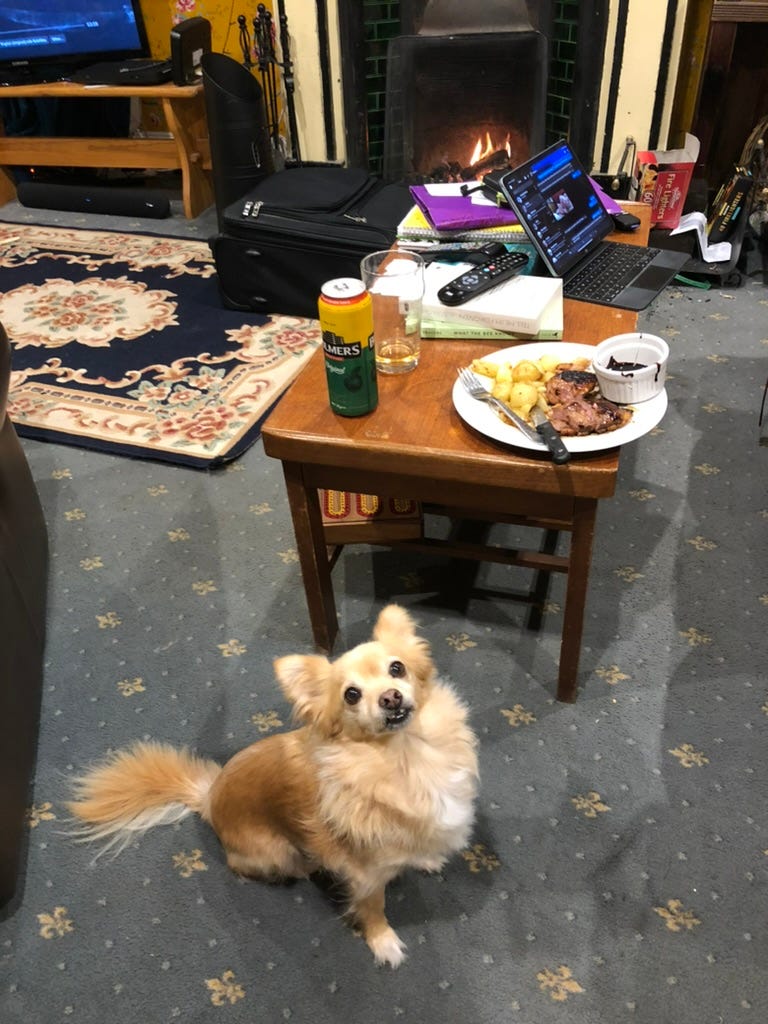
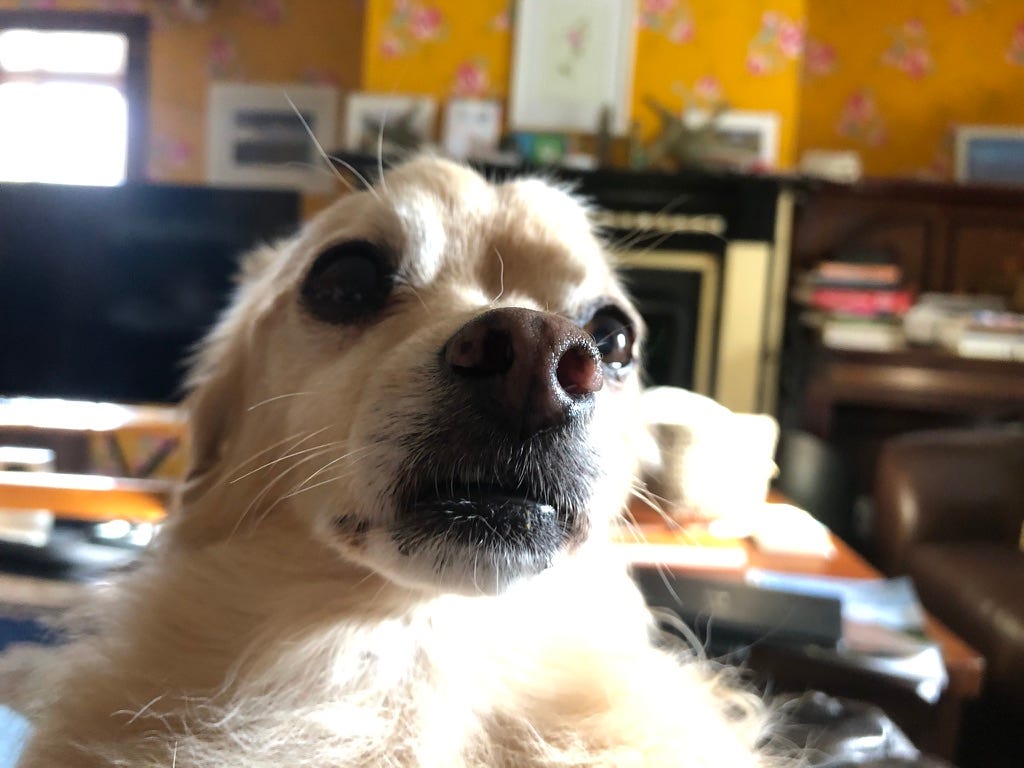
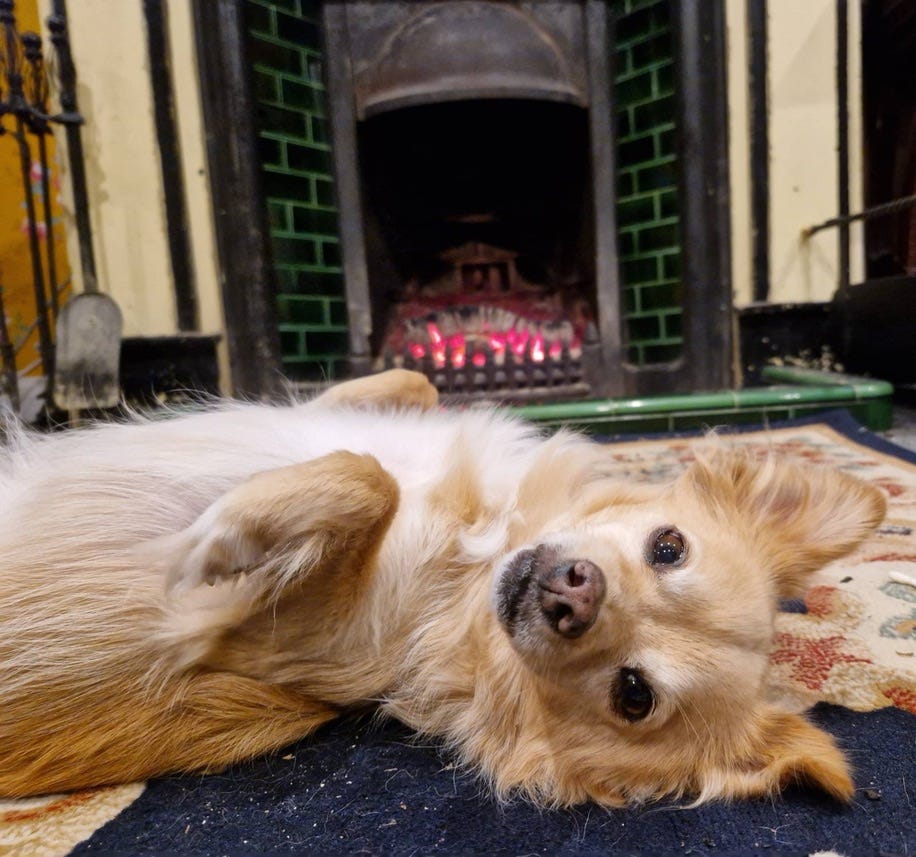
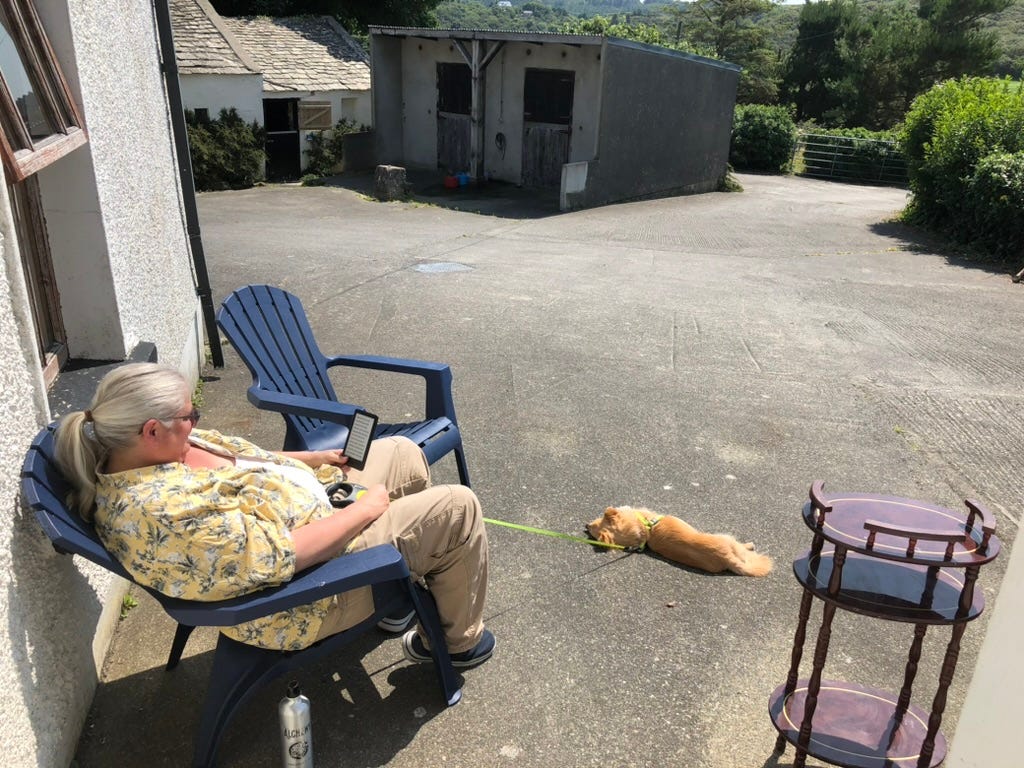
He loved old ladies and would run up to them with his ears back. A few months after we came to Donegal, we met another old lady in Lurgabrack woods walking three dogs, one of which looked almost exactly like him. She since became one of our closest friends. He loved our Romanian house cleaner and we often found his head covered in her lipstick kisses.
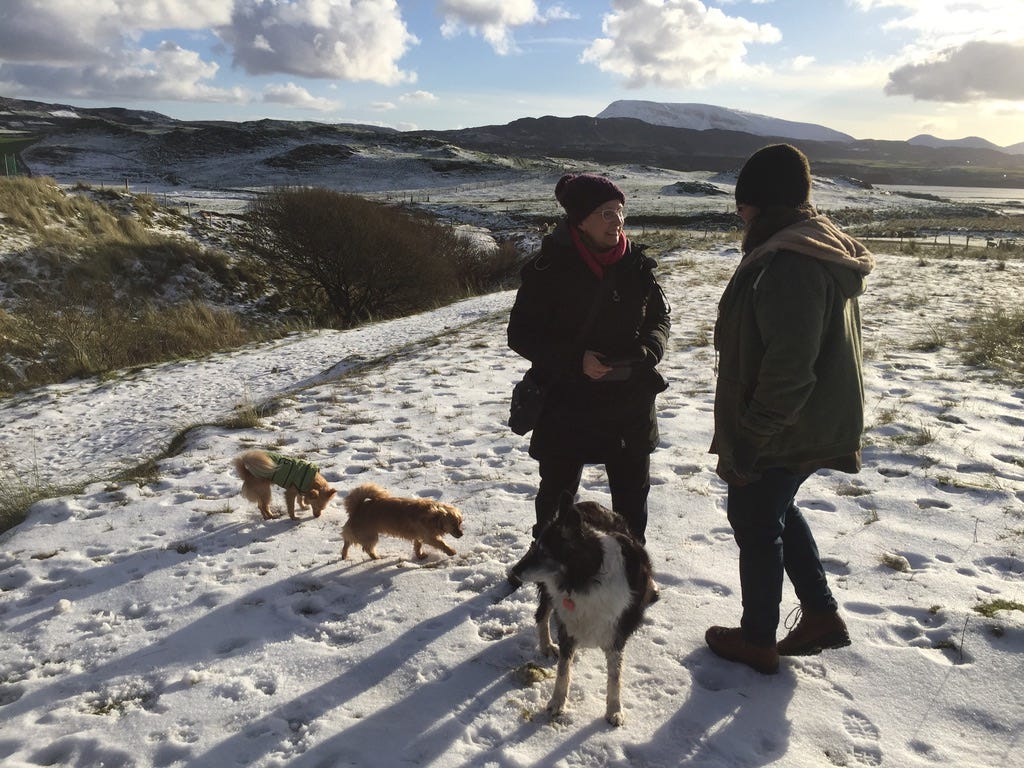
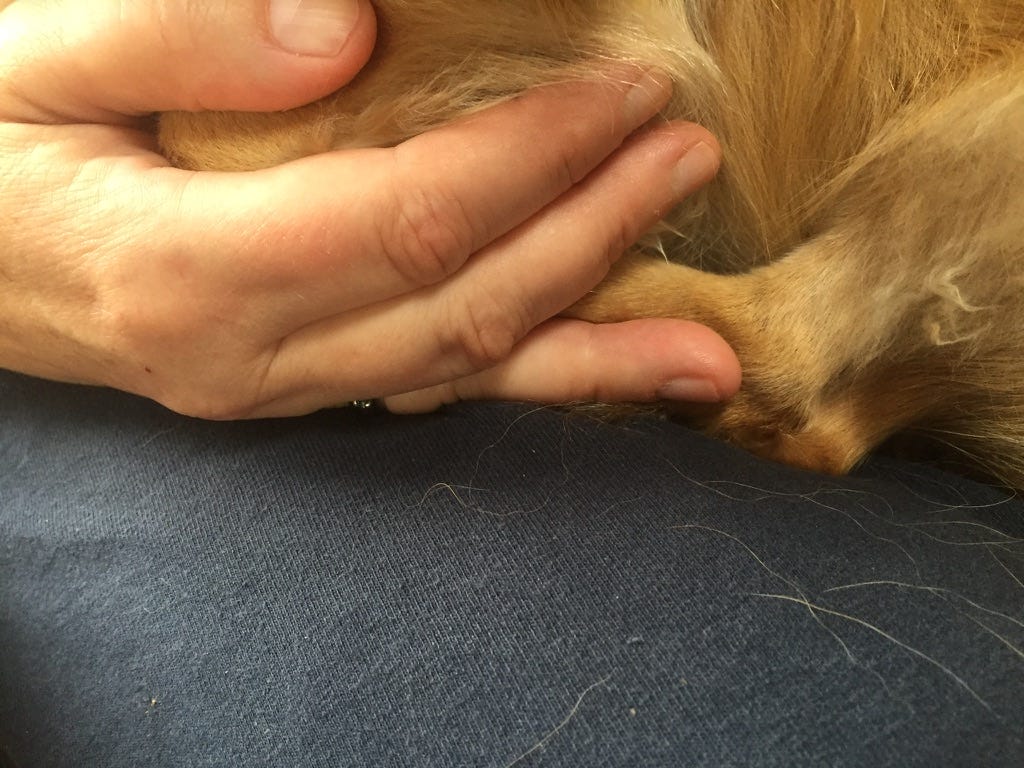
We’ve known for years that Pippin had a heart condition that would likely shorten his life. The vet said last summer he would probably be gone by last December. Because Artemis took such good care of him, he lived to be at least fourteen, eleven years with us. These last six months have been especially poignant as we watched his chest get bigger to accommodate his failing heart.
On Tuesday he went for a walk in Ballyarr wood, and Wednesday prancersized down the path to the dunes at Ards. In the afternoon, he napped outside in the sun on the first hot day of summer. But all that day he refused to eat food or take his meds. He went down quickly, his breathing became labored, and we knew our time with him had ended.
After the vet had put him to sleep, Artemis played one of our sacred songs, “Into the West,” sung by Annie Lennox for the Lord of the Rings films.
“Into The West” Annie Lennox and Fran Walsh (inspired by J. R. R. Tolkien)
Lay down
Your sweet and weary head
Night is falling
You’ve come to journey’s end
Sleep now
And dream of the ones who came before
They are calling
From across the distant shore
Why do you weep?
What are these tears upon your face?
Soon you will see
All of your fears will pass away
Safe in my arms
You’re only sleeping
What can you see
On the horizon?
Why do the white gulls call?
Across the sea
A pale moon rises
The ships have come to carry you home
And all will turn
To silver glass
A light on the water
All souls pass
Hope fades
Into the world of night
Through shadows falling
Out of memory and time
Don’t say,
“We have come now to the end.”
White shores are calling
You and I will meet again
And you’ll be here in my arms
Just sleeping
What can you see
On the horizon?
Why do the white gulls call?
Across the sea
A pale moon rises
The ships have come to carry you home
And all will turn
To silver glass
A light on the water
Grey ships pass
Into the West
Lots of Irish people don’t like dogs. Not too long ago cossetted lap dogs like ours weren’t the usual thing, except maybe in the upper classes. A sheep dog is still treated as a kind of farm machinery, and I’ve known pets that were never allowed in the house, let alone sleep in the bed. I’ve heard of feral packs attacking hill walkers in Kerry; they can be truly a danger. But dog people like us meet other dog people, people who have become better humans because they are loved by dogs. People like me who “want to become the person my dog thinks I am.” People of the creed: “Dog is my co-pilot.” I believe dogs began civilizing humans 40,000 years ago around the same time we developed spoken language. It’s an unfinished project, but their way of loving will prevail.
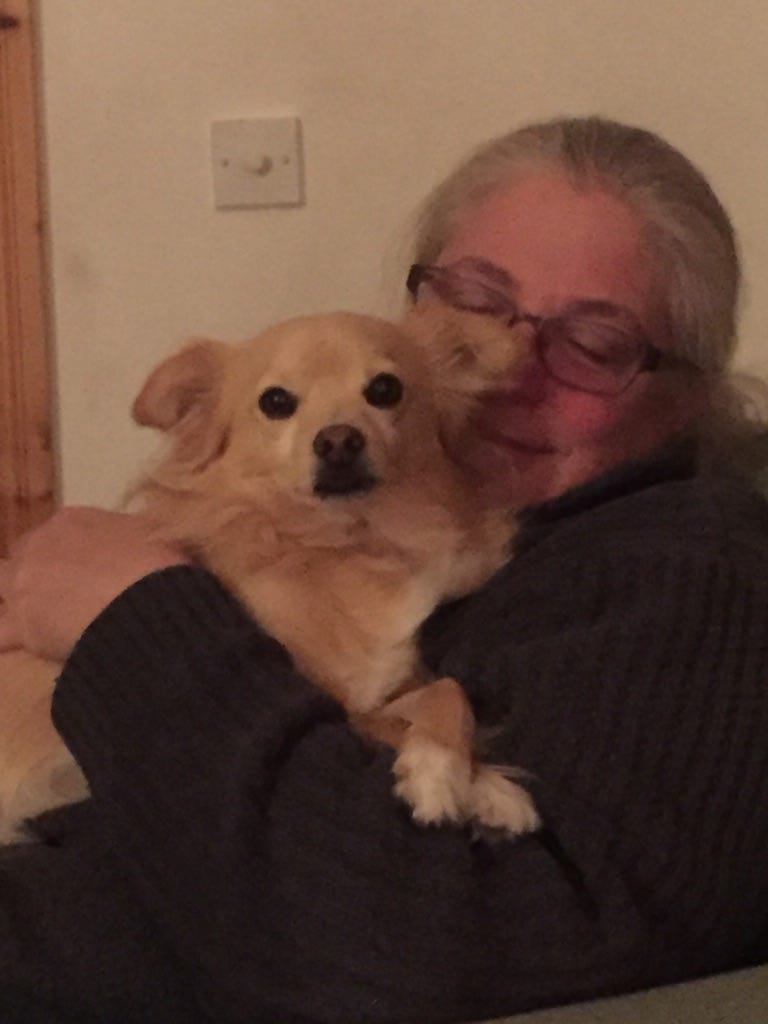
What a beautiful life you gave Pipen🐾💕 So sorry you have to deal with her loss! I’ve experienced it many times never easy 😘.
I am so aorry about Pippen. 2026 has been a year full of the sweetest boys crossing over. I'm so glad you gave him the best life.